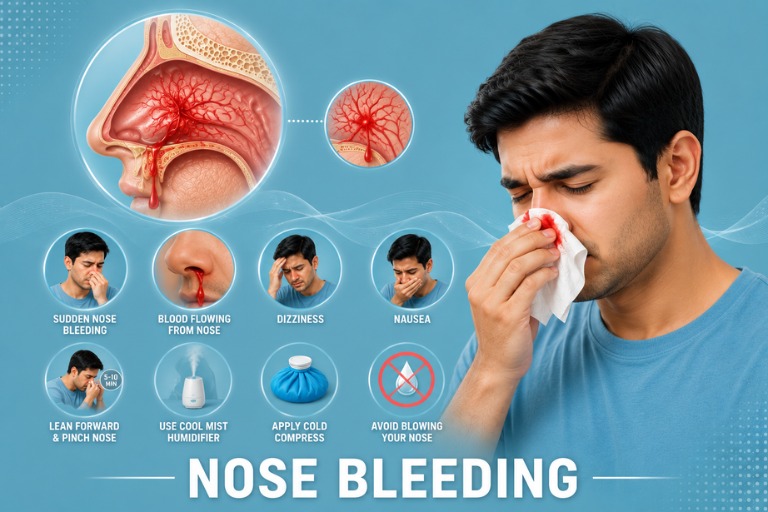
Nose bleeding, or epistaxis, is one of the most common ENT emergencies. Most nosebleeds are simple — coming from small vessels at the front of the nasal septum — and stop within minutes with firm pinch‑pressure. But some are heavier, recurrent, or originate deeper in the nasal cavity. Some nosebleeds may require evaluation by an ENT specialist to identify the source of bleeding and recommend appropriate treatment, which may include cauterisation when clinically indicated.
At Dr. Abdul Aziz ENT Super Specialty Clinic in Tolichowki, Hyderabad, patients undergo a detailed clinical evaluation. Nasal endoscopy may be performed when clinically indicated to identify the source of bleeding, and treatment is planned according to the underlying cause. Many patients can be managed on an outpatient basis, depending on the severity of the condition.
Epistaxis is common in Tolichowki and Hyderabad, often linked to dry air, allergies, or minor trauma. While many nosebleeds settle with appropriate first aid, recurrent, severe, or persistent bleeding should be evaluated by an ENT specialist.
Medical name - Epistaxis: Bleeding from the nasal cavity due to fragile or ruptured blood vessels.
Category -Nose Condition:Disorders affecting the nasal passages and blood vessels.
Common treatment -Cautery · Sprays:Pinch‑pressure, topical sprays and cauterisation for persistent bleeds.
Anterior nosebleeds are the common kind: dry air, an irritated patch on the septum, a sneeze, or nose picking. These are usually mild and can be managed at home with simple first aid.
Posterior nosebleeds come from deeper vessels and are heavier. They are more common in older adults, especially those with high blood pressure or on blood‑thinning medication. These may require further evaluation and treatment, which can include nasal packing, cauterisation, or other interventions depending on the clinical findings.
Usually mild, triggered by dryness or minor trauma.
Heavier, often linked to hypertension or medication.
First aid works for most cases-Pinch‑pressure and leaning forward.
Dr. Abdul Aziz evaluates recurrent or severe nosebleeds and recommends appropriate treatment based on the underlying cause.
Nosebleeds can vary in severity. Recognizing the pattern helps determine whether home care or medical attention is needed.
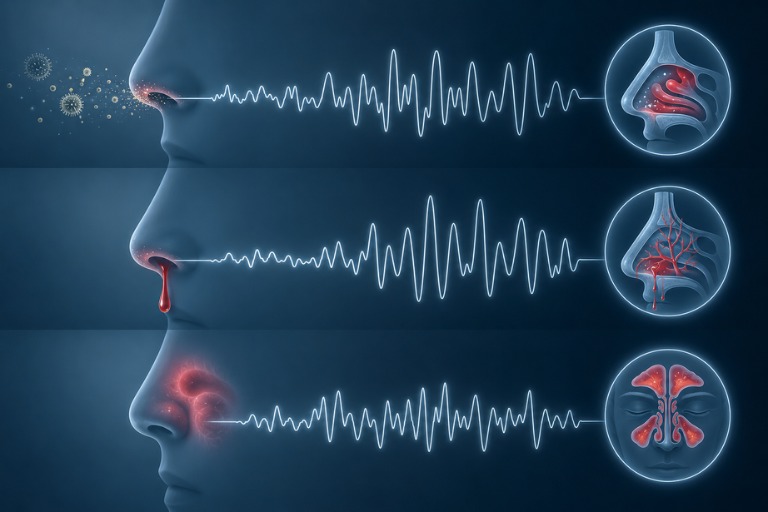
Nosebleeds are often triggered by environmental or medical factors. Identifying the cause is key to preventing recurrence.
Seek urgent ENT care if a nosebleed lasts more than 20 minutes despite firm pinching, if bleeds recur more than once a week, if bleeding is accompanied by dizziness, or if you are on blood‑thinning medication.
At Dr. Abdul Aziz, Ruby ENT Super Specialty Clinic in Tolichowki, Hyderabad, A detailed clinical examination is performed to determine the source of bleeding. When clinically appropriate, nasal endoscopy and treatments such as cauterisation or nasal packing may be recommended. The treatment plan depends on the severity and underlying cause of the nosebleed.
1st Floor, Galaxy, Tolichowki Rd, above ICICI BANK, Galaxy, Sabza Colony, Brindavan Colony, Toli Chowki, Hyderabad, Telangana 500008
Dr. Abdul Aziz, ENT Specialist in Tolichowki, Hyderabad — comprehensive ENT care for ear, nose & throat conditions with advanced diagnostics and compassionate treatment.
Call Now to Book an Appointment
RUBY ENT SPECIALITY CLINIC (ADULT & CHILD ENT)
– 1st Floor, Galaxy, Tolichowki Rd, above ICICI BANK, Galaxy, Sabza Colony, Brindavan Colony, Toli Chowki, Hyderabad, Telangana 500008
© 2026 Dr. Abdul Aziz | Designed